
Are you looking for an experienced Reflexologist near Farnham in Surrey?
Reflexology is a holistic, non-invasive therapy that involves applying pressure to specific points on the feet, hands, or ears. These points correspond to different organs and systems within the body. The idea is that stimulating these reflex zones encourages the body’s natural healing process, helping to restore balance, reduce stress, and promote overall wellbeing. Reducing stress in peoples’ lives can be significant in optimising good health and building resilience. Often mistaken for a simple foot massage, reflexology is much more than that. Practitioners use specialised techniques to detect imbalances and tension, aiming to bring about improved health and vitality in the corresponding areas of the body.
However, reflexology is viewed, there can be no doubt that what it does provide is a period of time for relaxation where the client has one to one attention and supportive touch in an empathetic listening environment. Reflexology can be used safely alongside standard healthcare to promote better health for the person.

Reflexology is suitable for people of all ages and is often chosen by those looking for a natural way to manage stress, improve sleep, and support general wellbeing. Whether you’re dealing with chronic conditions like migraines, digestive issues, or hormonal imbalances—or simply want to relax—reflexology offers a calming and therapeutic option.
It’s not a replacement for medical treatment, but many people find it a powerful complement to conventional care. If you’re open to gentle, touch-based therapy that supports the body holistically, reflexology might be a perfect fit for you.
Hot stones used in reflexology treatment combine thermal therapy with pressure point massage. I use smooth basalt stones of various sizes for different areas. Hot stones may help to enhance the traditional benefits of reflexology while adding the healing properties of heat.

The core theory of reflexology is that different points on the feet (and hands or ears) reflect the organs and systems of the body. When these reflex points are stimulated, it’s believed to clear blockages in the corresponding areas, enhance circulation, and restore the body’s natural equilibrium.
Practitioners view the feet as a map of the entire body. For example, the toes relate to the head, the arch of the foot corresponds with the spine and digestive organs, and the heel links to the lower back and pelvis.
By using precise thumb and finger techniques, reflexologists aim to release energy flow and support the body in healing itself.
Reflexology’s roots stretch back thousands of years. Evidence of early foot therapy practices can be traced to Ancient Egypt, China, and India. One of the earliest depictions of foot manipulation is found in an Egyptian tomb dated around 2330 BC.
Modern reflexology, however, began to take shape in the early 20th century. Dr William Fitzgerald introduced “zone therapy” to the West, dividing the body into ten longitudinal zones. Later, Eunice Ingham, a physiotherapist, expanded on this work by mapping out reflex points on the feet that correspond to organs and systems in the body.
Her contributions laid the foundation for the reflexology we know and practise today.
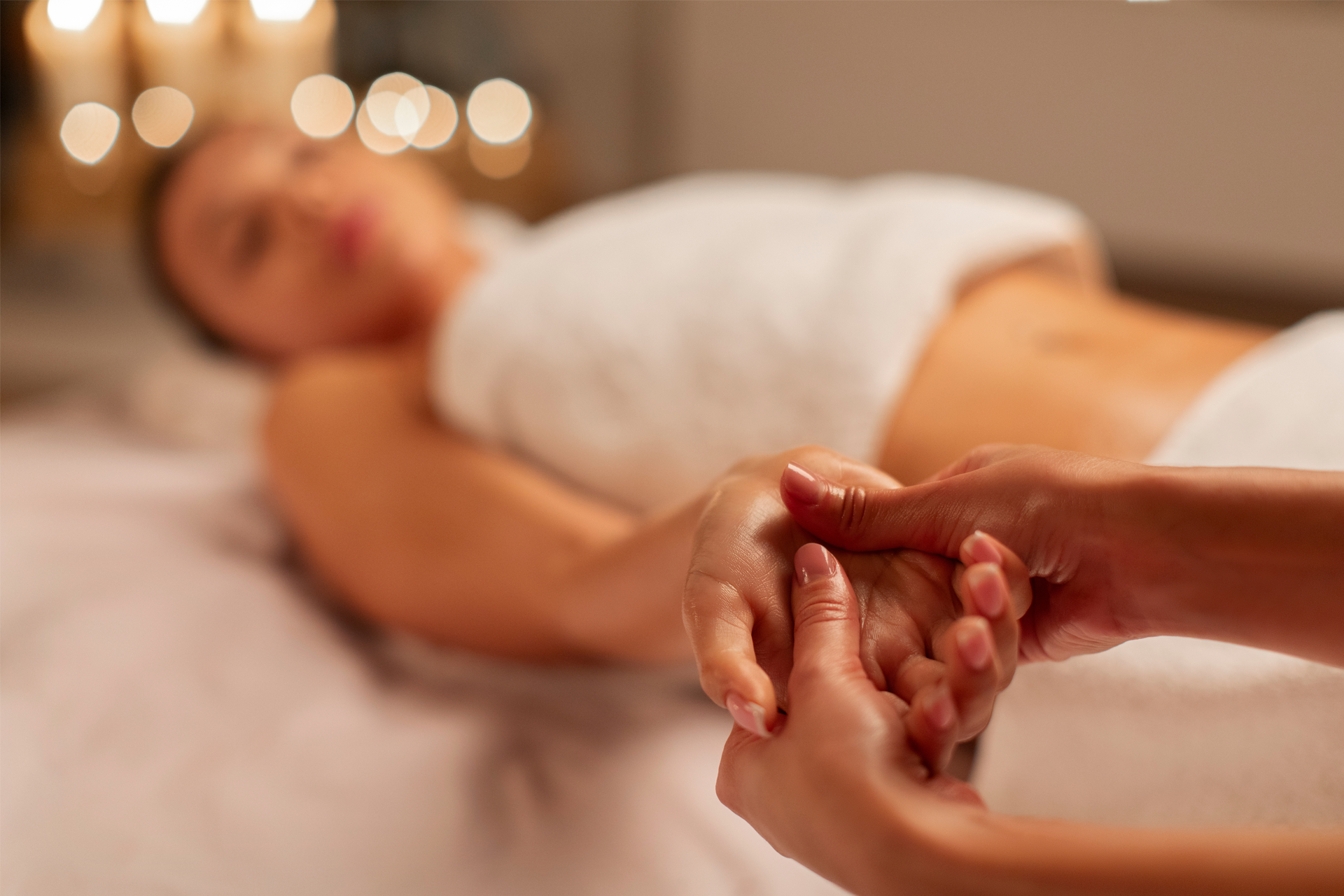
Reflexology should not be painful. Some areas may feel tender, which could indicate tension or imbalance, but overall the sensation is often deeply relaxing.
A typical reflexology session lasts between 45 and 60 minutes, depending on the practitioner and the client’s needs.
Your first visit will usually include a brief health consultation, followed by a hands-on treatment. You’ll remain fully clothed apart from your shoes and socks.
Yes, reflexology is generally considered safe for most people, including pregnant women and the elderly. However, it’s always best to consult with a qualified practitioner before starting treatment.
This varies from person to person. Some feel benefits after just one session, while others may need regular treatments to see lasting improvements.
Generally, reflexology is safe for individuals of all ages, from infants to the elderly. However, those with foot injuries, infections, or certain medical conditions should consult with a healthcare professional before undergoing treatment.
Reflexology is often sought for:
Stress and anxiety reduction
Improving sleep patterns
Alleviating headaches and migraines
Supporting hormonal balance
Enhancing fertility
Easing digestive issues
Relieving muscular and joint pain
Boosting overall energy levels
It’s important to note that while many find relief through reflexology, it should complement, not replace, conventional medical treatments.
Yes, reflexology can be applied to:
Feet: The most common form, focusing on foot reflex points.
Hands: An alternative for those who prefer or require hand treatments.
Ears: Less common but used in certain practices.
Face: Facial reflexology targets reflex points on the face to promote relaxation and rejuvenation.
Some individuals seek reflexology to support fertility. The therapy aims to balance hormones, reduce stress, and improve circulation, which may positively impact reproductive health.
